Shock testing systems ● Hydraulic shakers ● Drop test machines ● Custom reliability test solutions
Shock, Vibration & Motion Testing Systems
TMC designs and manufactures test systems for engineers validating products under shock, vibration, drop, acceleration, transport, and real operating conditions.
From shock machines and hydraulic shakers to drop testers, centrifuges, and motion systems, our equipment helps teams test durability before products reach the field.
Industries That Use TMC Test Systems
TMC systems are used by teams testing aerospace, defence, automotive, consumer electronics, rail, construction, and industrial equipment. Each industry has different loads, failure modes, and standards. The test system must match the real condition, not just a catalogue specification.
Our products are designed to be efficient and effective, ensuring that they can perform optimally in their respective fields. Whether you need tools for precision measurement or heavy-duty applications, we have a solution that will meet your needs.

Aerospace & Defence

Automotive & EV
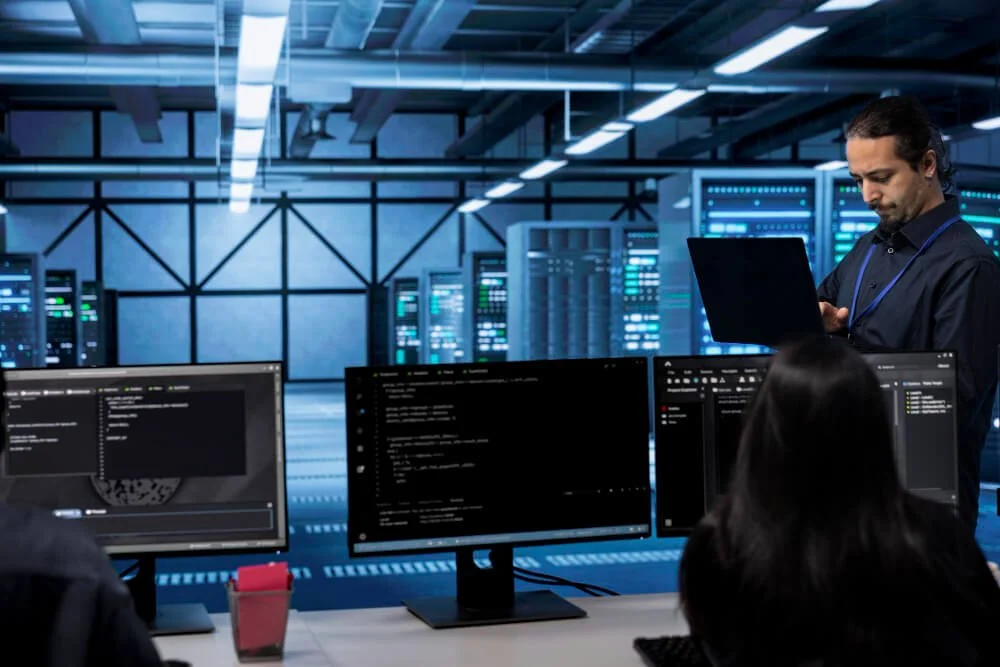
Consumer Electronics

Rail & Transportation
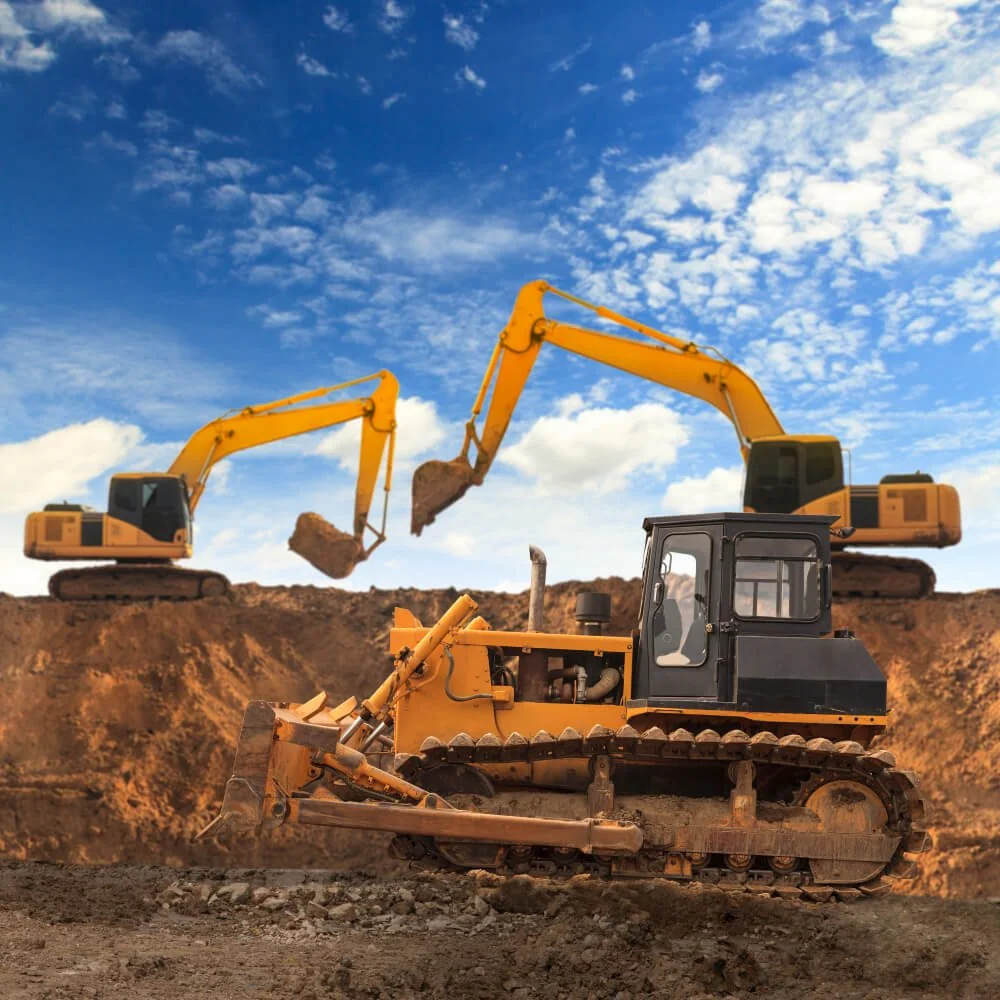
Construction & Heavy Equipment
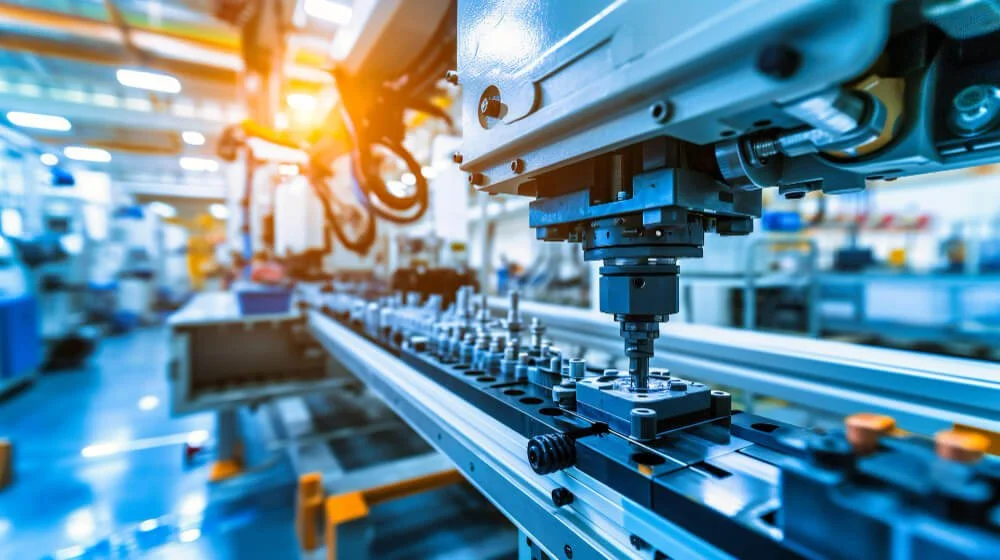
Industrial Machinery
Choose the Right Test System
Not every test needs the same system. Select by test condition: shock, vibration, drop, acceleration, motion, or high-force hydraulic testing.

Shock Test Systems
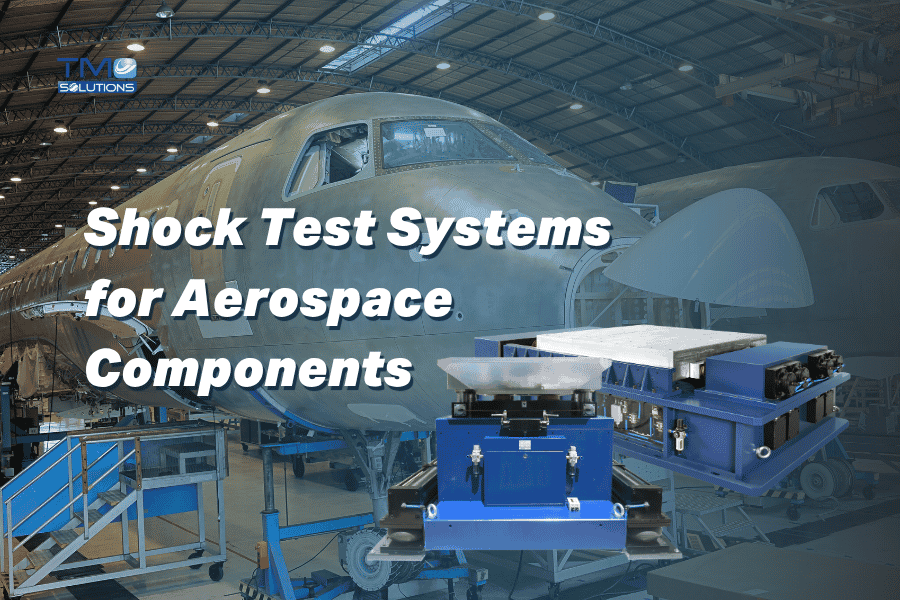
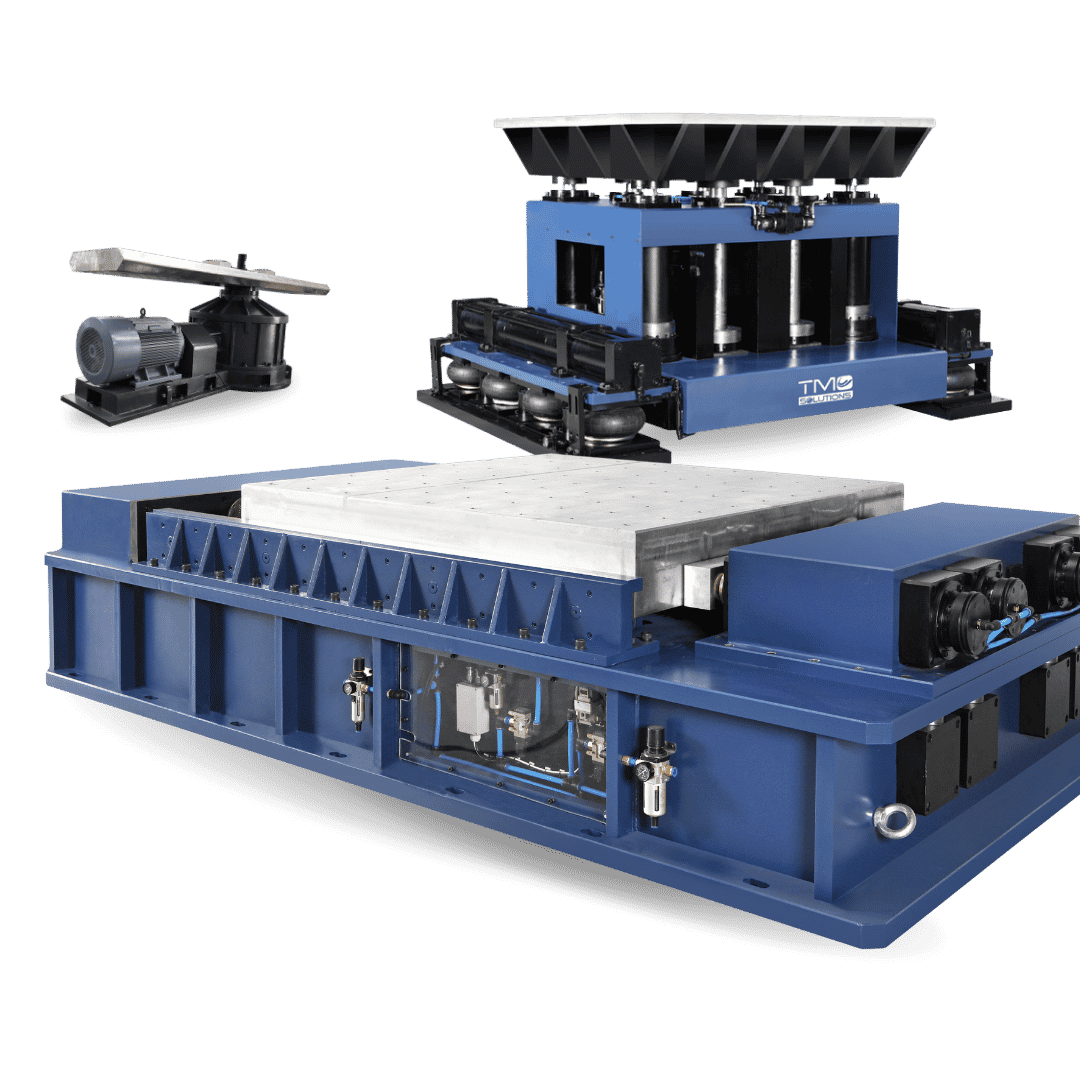
For half-sine, trapezoidal, SRS, horizontal, pneumatic, and high-energy shock testing.
View Shock Systems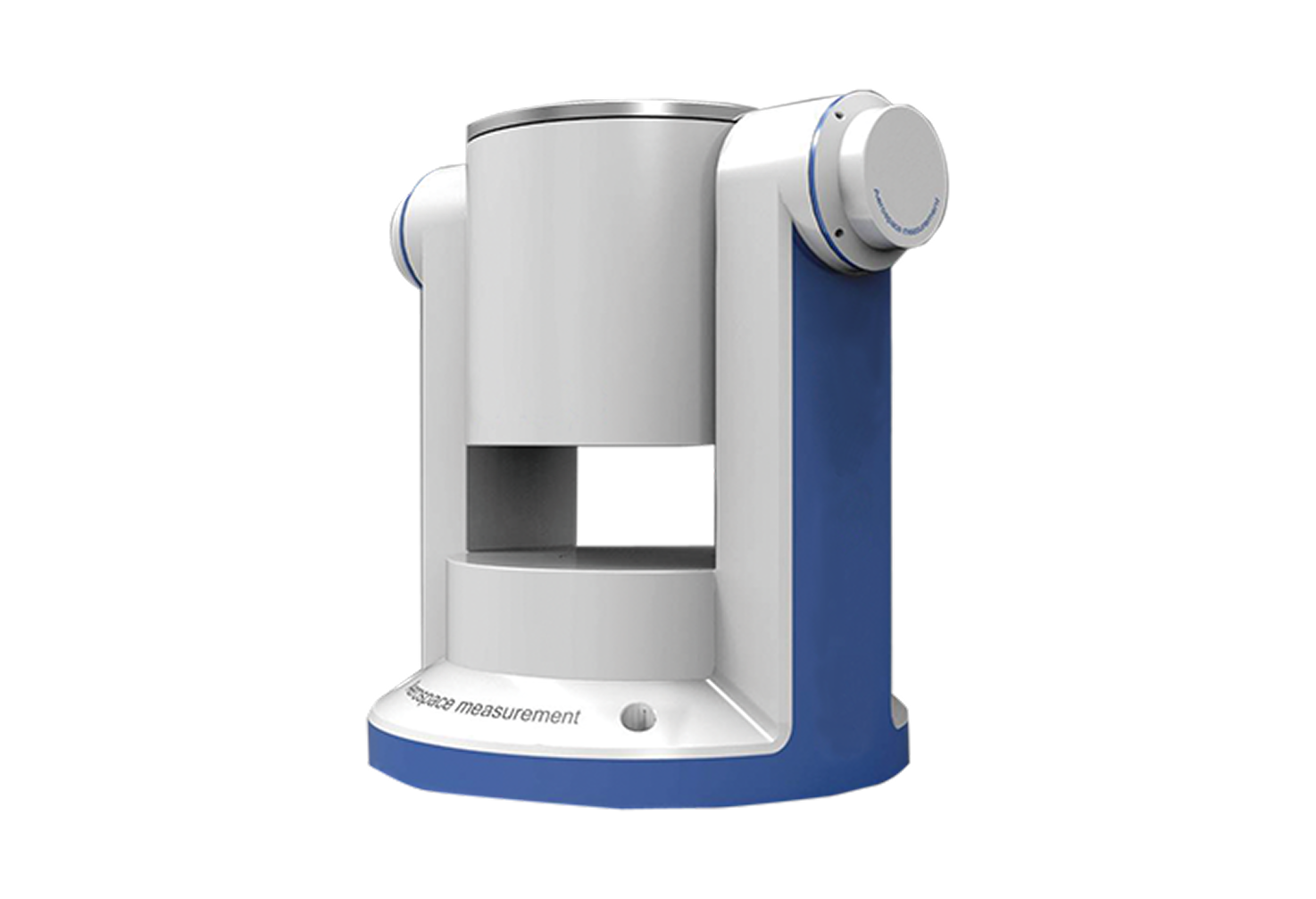
Rate Tables & Motion Simulators
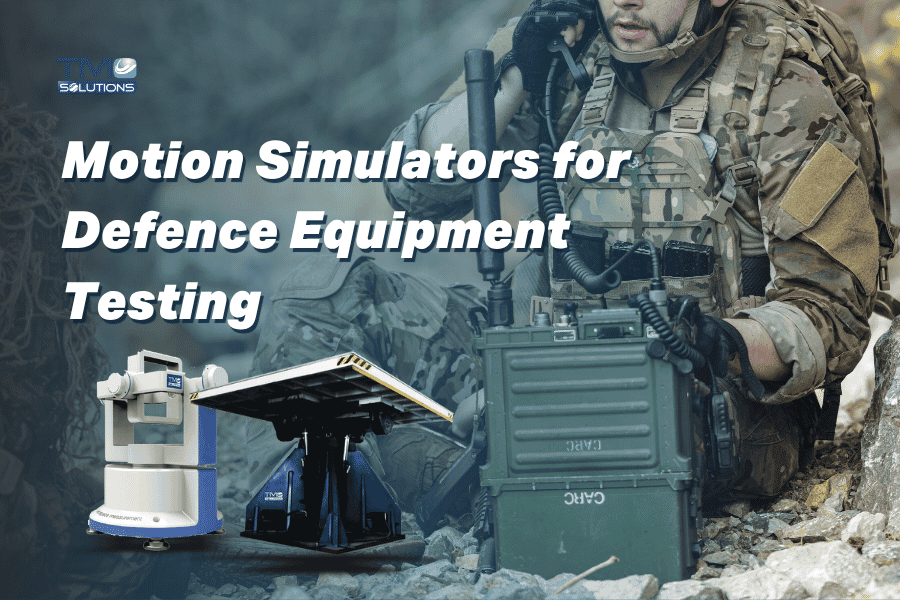
For angular motion, position control, inertial sensor testing, and defence/aerospace simulation.
View Motion Systems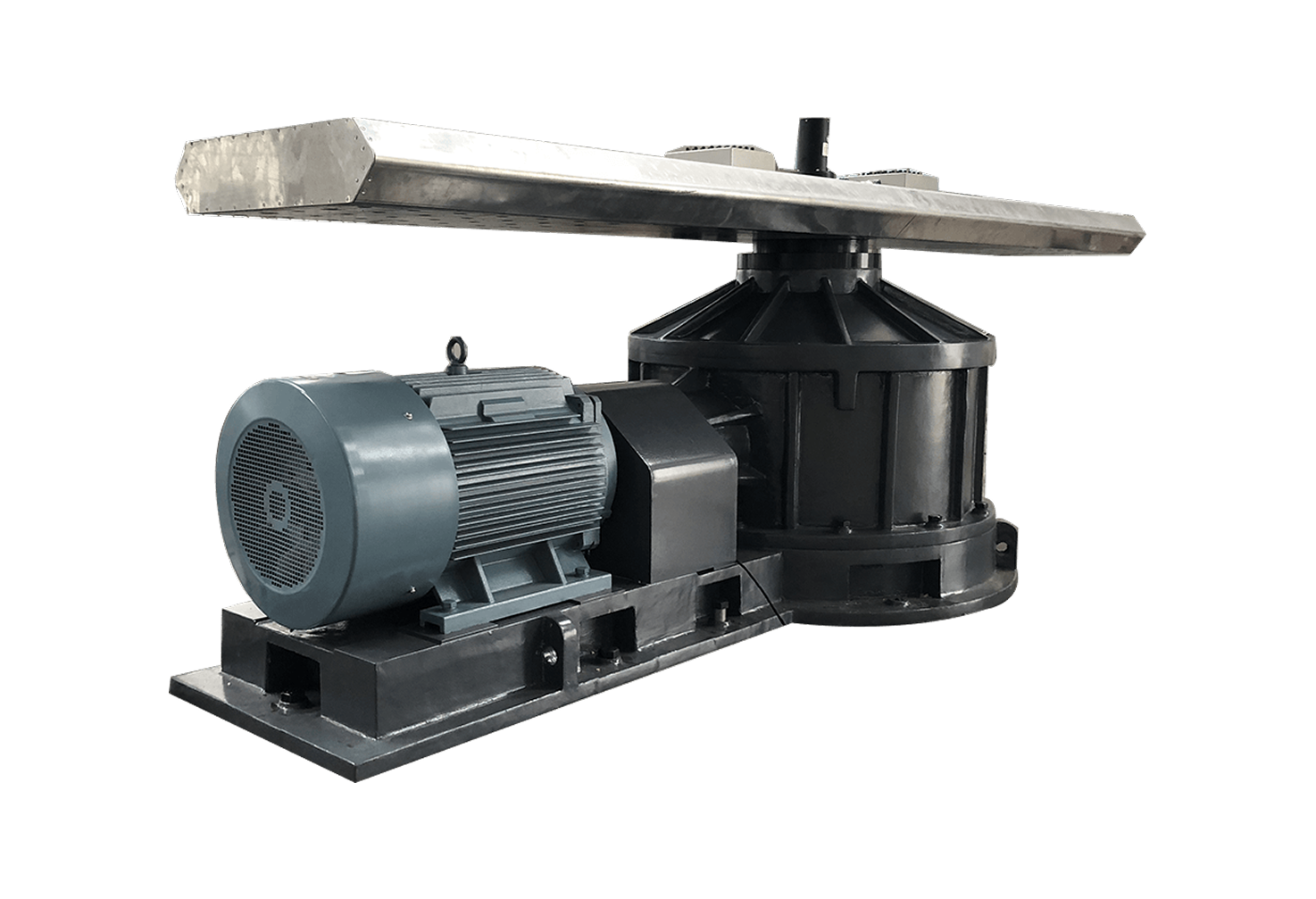
Centrifuge Test Systems
For constant acceleration, high-g testing, battery, aerospace, and component reliability validation.
View Centrifuge Systems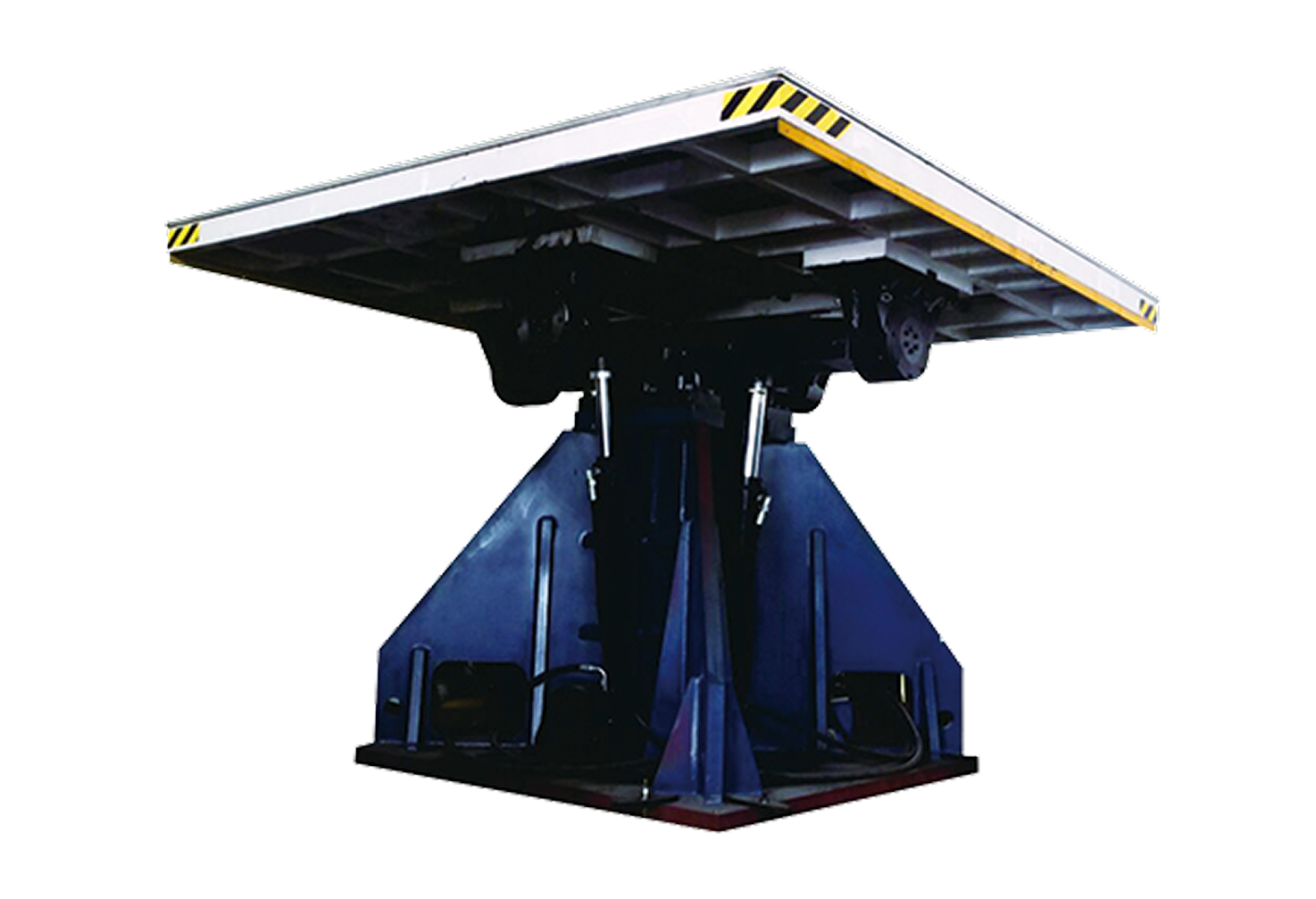
Motion Test Systems
For controlled movement, dynamic simulation, and custom motion profiles used in product validation.
View Motion Systems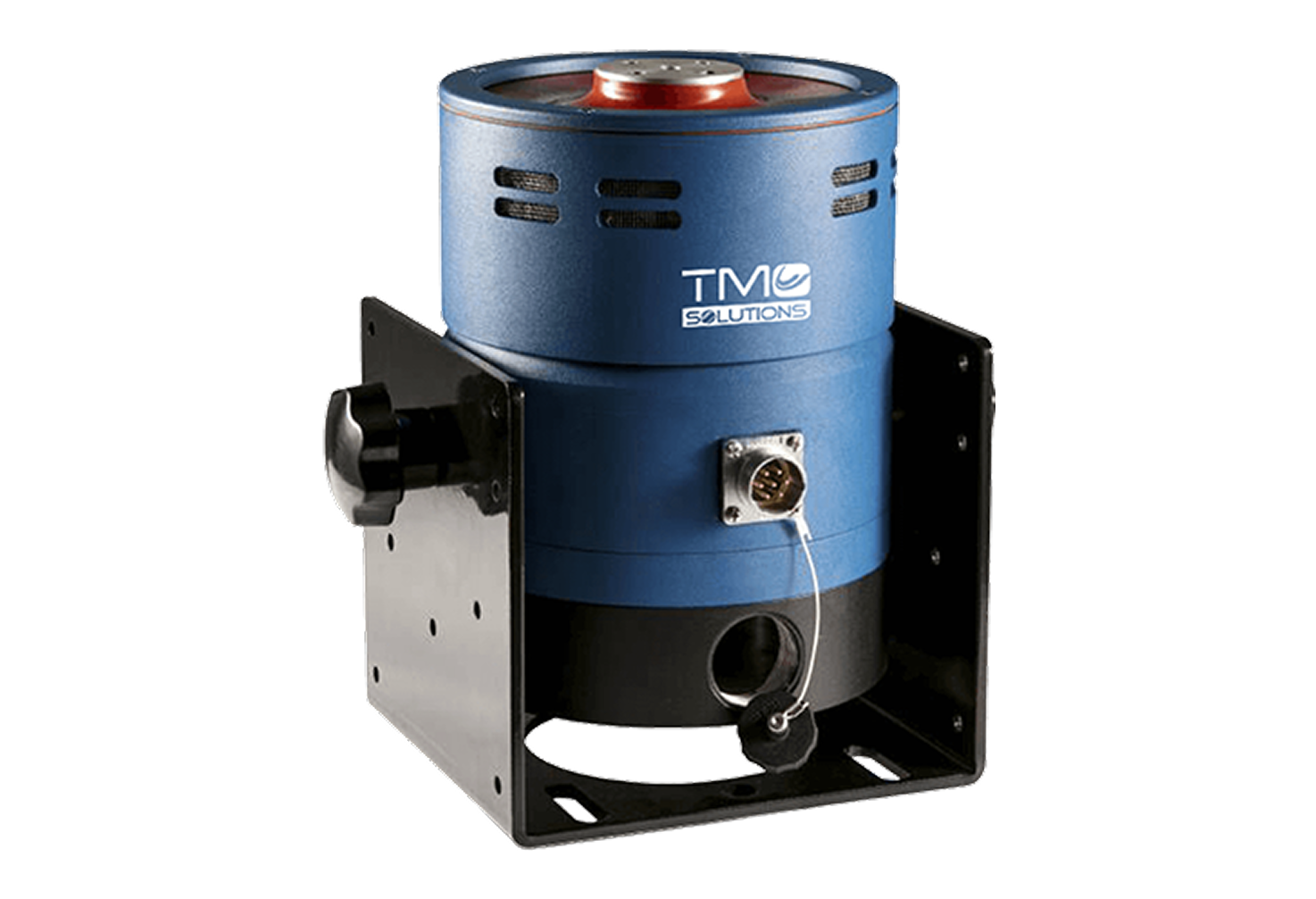
Small Vibration Shakers
For modal testing, component vibration, sensor calibration, and precision lab testing.
View Shaker Systems
Hydraulic Shaker Systems
For high-force, low-frequency, long-stroke, and heavy-payload vibration testing.
View HS Series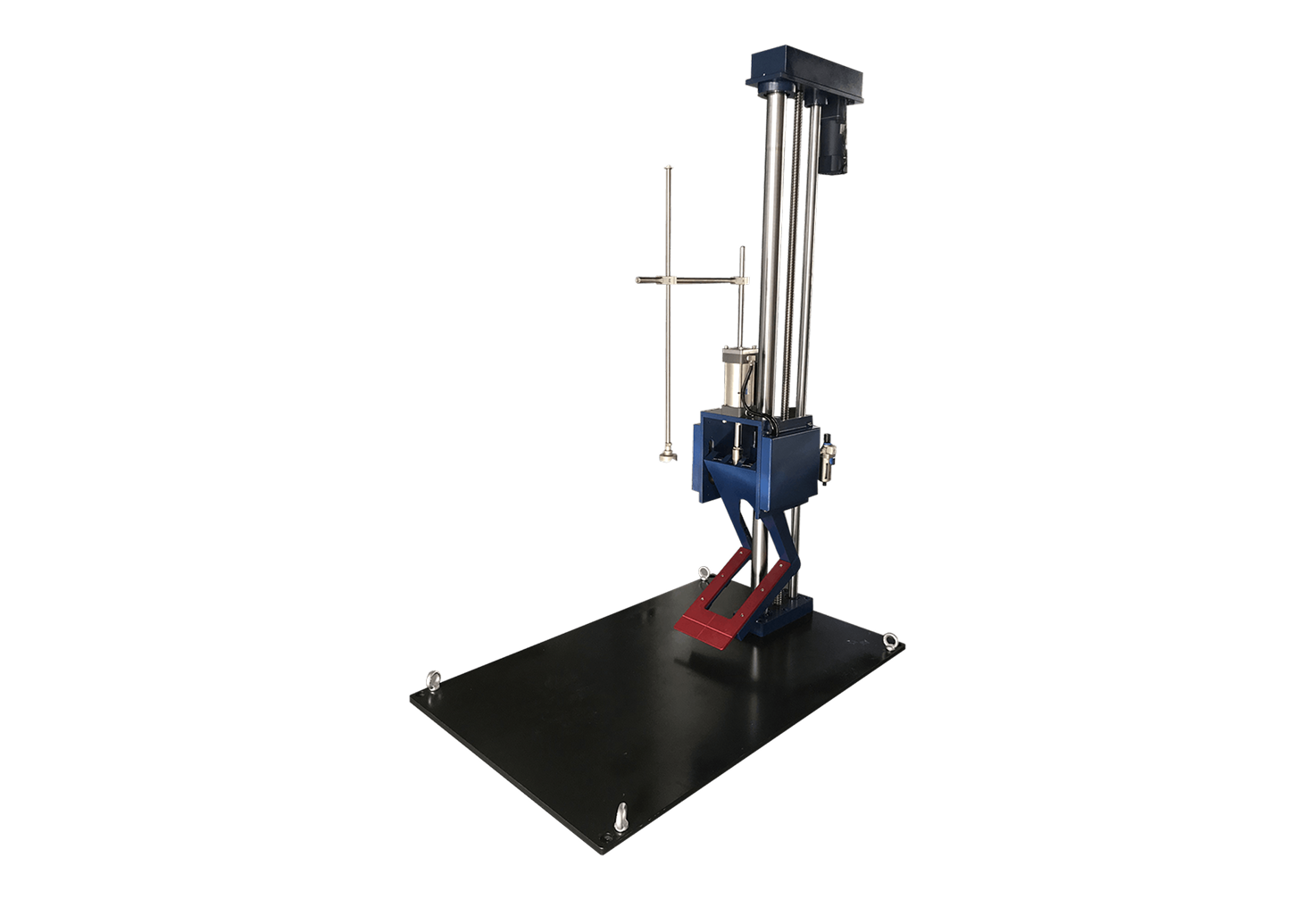
Drop Test Machines
For consumer electronics, packaging validation, ISTA drop testing, and product durability checks.
View DS SeriesNot sure which test system fits your requirement?
Shock ● Vibration ● Drop ● Hydraulic ● Centrifuge ● Motion
TMC Solutions is COMMITTED to
delivering top product reliability testing solutions, setting industry standards by exceeding expectations.
How TMC Builds Confidence Before Shipment
Requirement review
System configuration
Factory acceptance testing
Final inspection
Installation support
-
TMC manufactures reliability testing systems used to simulate real-world shock, vibration, motion, acceleration, and transport conditions.
Main product categories include:
Shock test systems
Pneumatic shock response spectrum systems
Horizontal shock test systems
Hydraulic vibration shaker systems
Small vibration shakers
Drop test machines
Centrifuge test systems
Rate tables and motion simulators
Custom reliability test systems
These systems help engineers validate product durability, structural strength, functional reliability, and compliance with industry test requirements.
-
TMC test systems are used by teams that need to validate product reliability under mechanical stress and real operating conditions.
Common industries include:
Aerospace
Defence
Automotive and EV
Consumer electronics
Rail and transportation
Packaging and logistics
Construction and infrastructure
Industrial machinery
Energy storage and battery systems
Each industry has different test conditions. For example, EV battery teams may need high-mass shock or vibration testing, while consumer electronics teams may need drop testing, packaging validation, or small component vibration testing.
-
Engineers should use hydraulic shakers when the test requires high force, large displacement, low-frequency vibration, or heavy payload capacity.
Hydraulic shaker systems are especially suitable for:
Large structures
EV battery packs
Transportation simulation
Heavy equipment testing
Structural durability testing
Road-load simulation
Long-stroke vibration tests
Compared with small electrodynamic shakers, hydraulic shakers are better suited when the specimen is heavy and the test requires strong, controlled movement over a longer stroke.
Frequently Asked Questions
-
Shock testing and drop testing both evaluate how a product responds to impact, but they are used in different ways.
Drop testing simulates a free-fall event. A product or packaged product is dropped from a defined height onto a surface to evaluate handling, shipping, or packaging performance.
Shock testing applies a controlled shock pulse to the test item. Engineers can define parameters such as peak acceleration, pulse duration, waveform shape, and velocity change.
In simple terms:
Use drop testing to evaluate real handling drops and packaging protection.
Use shock testing when you need controlled impact data, repeatable pulse shapes, and deeper analysis of product response.
Many reliability programs use both methods.
-
Yes. TMC performs factory acceptance testing before shipment to verify that the system works according to the agreed requirements.
During FAT, the team checks items such as:
Mechanical operation
Control response
Safety functions
Waveform or motion performance
Measurement and reporting functions
Final system condition before packing
Customers may attend FAT in person or join remotely when travel is not possible. This helps reduce installation risk and gives the customer confidence before the system arrives on site.
-
Repeatability is important because engineers need test results they can trust.
If a system cannot reproduce the same input consistently, it becomes difficult to know whether a failure came from the product design or from test variation.
Repeatable testing helps engineers compare:
Different product designs
Different packaging materials
Different fixtures
Before-and-after design changes
Test results against standards
Good reliability testing is not just about reaching a target value. It is about producing controlled and repeatable data.
Latest Engineering Updates