
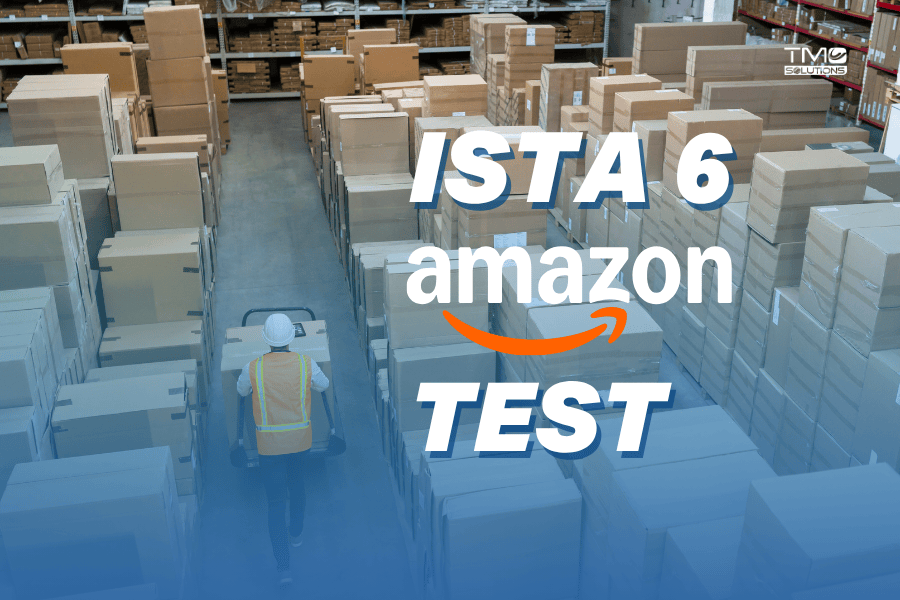
Ensuring E‑Commerce Packaging Survives Shipping: A Deep Dive into ISTA 6 – Amazon
In today’s fast‑moving online marketplace, your product’s journey doesn’t end at checkout—it ends at the buyer’s door. Packaging now must be more than pretty: it must protect, comply, and cost‑effectively deliver performance. That’s where the certification standard ISTA 6 – Amazon comes in. Here’s what you need to know, step by step.
1. ISTA 6 Overview
ISTA 6 — often referred to as Amazon SIOC (Ships in Own Container) — is a standardized series of tests created by the International Safe Transit Association to assess how well packaging withstands the demands of modern e‑commerce logistics. It acts as a performance guideline tailored to Amazon’s distribution environment, ensuring that a product’s packaging can endure the shocks, vibrations, and handling stresses encountered from the fulfillment center all the way to the customer’s doorstep.
2. What is ISTA 6 – Amazon (SIOC / SIPP)
Q: What’s the difference between SIOC and SIPP?
Originally termed “Ships In Own Container” (SIOC), it has been updated to “Ships In Product Packaging” (SIPP). Both refer to packaging meant to go directly to the consumer without extra over‑boxing or repacking.
Q: Which ISTA 6 Test Types Apply?
ISTA 6-Amazon protocols are grouped based on how a product is shipped, the nature of its packaging, and its weight. These distinctions help simulate the actual conditions that packages experience during the Amazon fulfillment and delivery process — ensuring that products arrive safely and without damage.
Let’s break it down:
📦 Groups A, B, and C – For Parcel Shipments
These groups cover individual items shipped via parcel carriers (e.g., UPS, FedEx, local couriers) and are classified by weight and packaging style.
Type A – For rigid, regular-shaped items under 50 lbs
Example: boxed electronics or home goods.Type B – For fragile or irregular items, or those that may need internal cushioning or bracing.
Example: ceramics, glass, or irregularly shaped products.Type C – For overweight items above 50 lbs, requiring additional structural integrity to handle heavier mass.
Example: gym equipment, small appliances.
Each of these test types typically includes:
Drop tests (free-fall shock)
Random vibration testing
Compression testing
Impact from edge/crush scenarios
🛒 Groups D, E, and F – For Palletized or LTL Shipments
These tests apply to products that are shipped on pallets or via Less Than Truckload (LTL) freight — often bundled or grouped in warehouses before final delivery.
Type D – For single units on a full pallet, such as heavy or bulk products shipped individually.
Type E – For multiple packaged units stacked or palletized.
Type F – For oversized or special configuration loads, requiring customized testing plans.
Tests for D–F groups simulate:
Stack compression (longer duration under load)
Vibration on vehicle profiles
Horizontal and vertical shocks
Environmental exposure (e.g., humidity, temperature changes)
3. Why ISTA 6 matters for e‑commerce shipments
Q: What happens if my packaging fails during transit?
Damage during logistics leads to returns, dissatisfied customers, and cost escalations. For sellers using platforms like Amazon, there’s an added risk: non‑compliance fees, delisted status, and reduced seller standing.
Q: How does ISTA 6 help?
Designed to mirror actual parcel and pallet shipping environments typical of Amazon’s distribution chain, ISTA 6 sets up a testing framework that challenges packaging to survive shocks, vibration, compression, and mishandling. It gives brands confidence that their packaging will perform in the wild—before it ever leaves the warehouse.
4. Testing segments in practice
Q: What specific physical tests are involved?
Drop/Shock tests simulate drops from measured heights or impart a specified velocity change.
Vibration tests apply random vibration profiles or resonance sweeps to simulate conveyance, trucking, and sorting.
Compression tests assess stacking loads in warehousing and transport.
These are executed in blocks per test type (e.g., edge/corner drop, full‑rotation drop, hazard‑box impact) depending on package weight/type.
Q: What criteria determine “pass” or “fail”?
Assessments focus on product damage (internal losses, part movement, visible breakage), package integrity (ruptures, deformations significant enough to take damage), and functional performance of contents. Acceptable limits are set ahead of testing.
5. Business benefits: more than just compliance
Q: Is it only about meeting Amazon’s rules?
Not at all. Benefits include:
Reduced returns due to transit damage
Lower‑cost packaging by optimizing materials and design
Improved consumer trust via consistent, intact delivery
Sustainability gains (fewer damage‑related returns, less over‑packaging)
Retailer readiness: many major platforms expect or require ISTA 6 compliance.
6. How TMC Solutions can support you
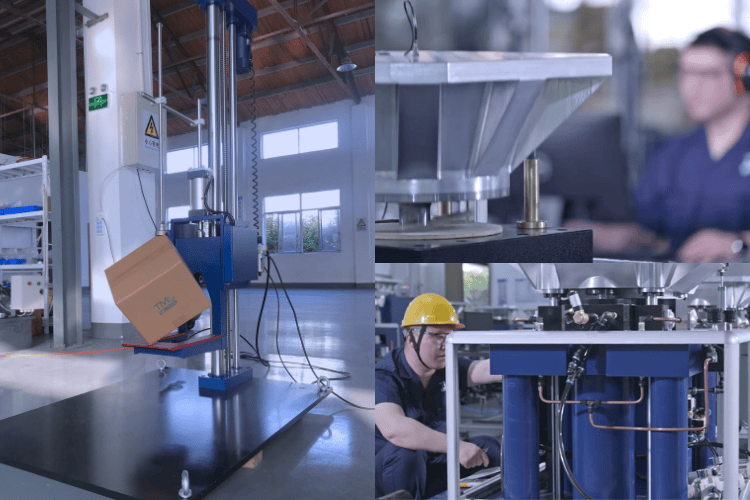
If you’re facing demand for packaging validation, TMC offers comprehensive test‑system solutions that align with ISTA 6 protocols:
Drop and shock test systems to simulate required free‑fall, rotational, and impact events
Vibration test setups tuned for transportation profiles
Compression test machines for stacking loads and palletized shipments
Engineering support, fixture design, and data acquisition systems that meet traceability requirements
Whether you’re prototyping new packaging or preparing for large‑scale certification, we help you meet it head‑on.
7. Pre‑testing checklist: what you should know
Confirm weight class, shipping method, and package orientation
Use production‑representative packaging and products (not just prototypes)
Document package materials, cushioning, fill and support
Photograph assemblies pre‑ and post‑test for traceability
Determine failure criteria ahead of test execution
See also:
Pre-Shipment Testing with Incline Impact: What You Need to Know
Complete Guide to ISTA Drop Test Systems for Packaging Reliability
8. Final thoughts: creating trust through transit
When your package survives the trip—from warehouse to door—everyone wins. Packaging that passes ISTA 6 isn’t just compliant—it’s confident. At TMC, we believe testing isn’t a hurdle—it’s an opportunity to design packaging that protects, saves cost, and delivers satisfaction.
Ready to validate your packaging for e‑commerce readiness? Let’s turn your logistics challenge into a competitive advantage.
🔗 Explore our packaging‑test‑system solutions: TMC Solutions Products